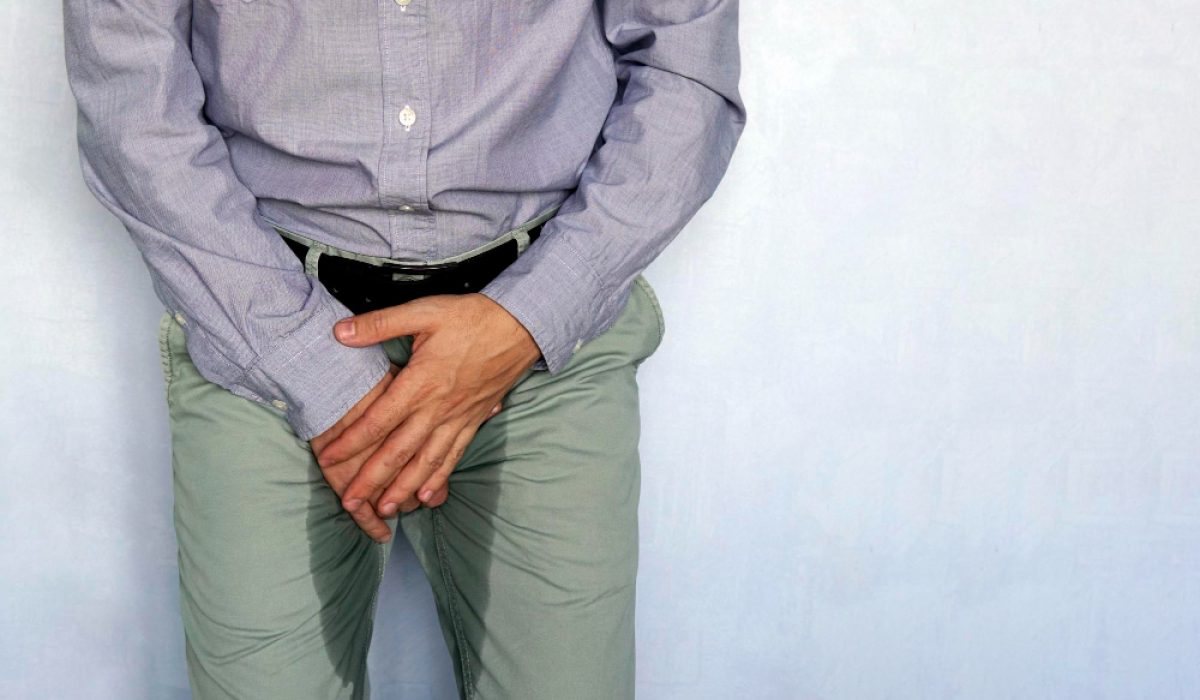
What is Urinary Incontinence?
Urinary incontinence means losing control over when you pass urine. This condition can affect people of all ages, but it is more common in older adults. For many, urinary incontinence can be embarrassing or upsetting. However, it is important to know that help is available. There are different types of urinary incontinence, and each type may need a different approach. Understanding this problem is the first step toward finding relief.
Common Symptoms of Urinary Incontinence
Urinary incontinence can show up in several ways. For example, some people may leak urine when they cough or laugh. Others may feel a sudden, strong urge to urinate and cannot make it to the bathroom in time. Here are some common symptoms:
Because symptoms can vary, it is important to notice any changes in your bathroom habits.
Main Causes of Urinary Incontinence
There are many causes of urinary incontinence. Sometimes, it is due to weak muscles in the bladder or pelvic area. Other times, it can be caused by nerve problems or certain health conditions. Here are some common causes:
In addition, some drinks like caffeine or alcohol can make symptoms worse. According to the World Health Organization (WHO), age and lifestyle also play a role in developing this condition.
How Urinary Incontinence is Diagnosed
Doctors use several steps to diagnose urinary incontinence. First, they will ask about your symptoms and medical history. Next, they may do a physical exam. Sometimes, you may need to keep a diary of your bathroom habits. In some cases, tests like urine analysis or bladder scans help find the cause. Because each person is different, your doctor will choose the best tests for you. Early diagnosis can help you find the right treatment sooner.
Treatment Options for Urinary Incontinence
There are many urinary incontinence treatment options. The right choice depends on the type and cause of your symptoms. Here are some common treatments:
Because everyone is different, your doctor will help you choose the best plan. The Centers for Disease Control and Prevention (CDC) notes that most people see improvement with the right care.
Lifestyle Tips and Prevention
While not all cases can be prevented, some lifestyle changes can help manage urinary incontinence. For example, you can:
In addition, wearing loose clothing can make it easier to reach the bathroom quickly. Simple changes can make a big difference in managing urinary incontinence.
When to See a Doctor
If you notice any signs of urinary incontinence, it is important to talk to a doctor. Although it may feel embarrassing, remember that many people have this problem. Early treatment can prevent symptoms from getting worse. You should see a doctor if:
Because urinary incontinence can be a sign of other health issues, getting help is important.
Consult a urology specialist for personalized advice on urinary incontinence.