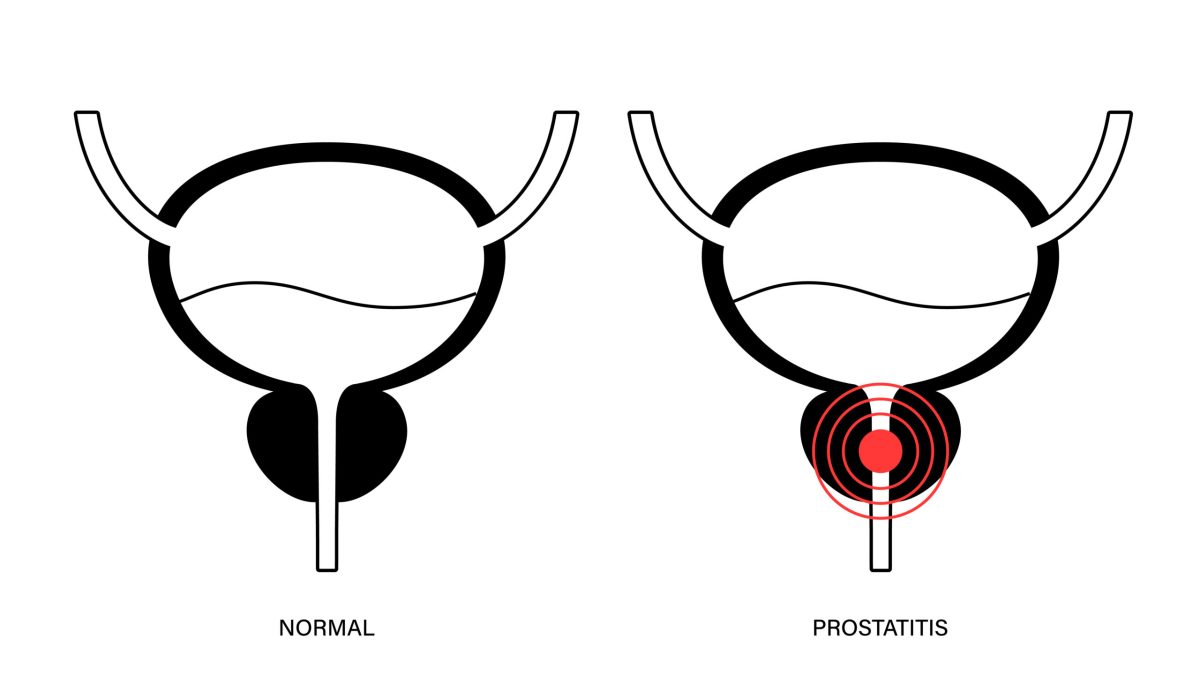
What Is Prostatitis?
Prostatitis is a condition that affects the prostate gland in men. The prostate is a small gland below the bladder. It helps make fluid for semen. When this gland becomes swollen or sore, doctors call it prostatitis. This condition can cause pain and other symptoms. In many cities, prostatitis is a common reason men visit their doctor. According to the Centers for Disease Control and Prevention (CDC), prostatitis can affect men of all ages, but it is more common in men under 50.
Common Symptoms of Prostatitis
Prostatitis symptoms can vary from person to person. However, some signs are more common. Early recognition can help men seek treatment quickly. For example, some men may notice pain or discomfort. Others may have trouble urinating. Below are common symptoms:
Sometimes, symptoms appear suddenly. On the other hand, they may develop slowly. If you notice these signs, it is important to talk to a healthcare provider.
Causes and Risk Factors
Doctors have found several causes of prostatitis. Sometimes, bacteria cause an infection in the prostate. Other times, the cause is not clear. Even so, certain factors can raise the risk. For instance, men who have had bladder infections before may be more likely to get prostatitis. The World Health Organization (WHO) notes these risk factors:
In addition, some men may develop prostatitis without any clear reason. Because of this, doctors sometimes call it chronic prostatitis or chronic pelvic pain syndrome.
How Prostatitis Is Diagnosed
Doctors use several steps to diagnose prostatitis. First, they ask about symptoms and medical history. Next, they perform a physical exam. Often, this includes a digital rectal exam to check the prostate. After that, doctors may order tests to look for infection or other problems. These tests can include:
Because symptoms can look like other conditions, doctors may need several tests. Early diagnosis helps guide the best treatment plan.
Treatment Options for Prostatitis
Treatment for prostatitis depends on the cause. If bacteria cause the problem, doctors usually prescribe antibiotics. For chronic prostatitis, treatment may take longer. Sometimes, doctors use other medicines to help with pain or swelling. In addition, warm baths or pain relievers can help ease discomfort. The CDC recommends following your doctor’s advice and finishing all prescribed medicine. Treatment options may include:
For some men, symptoms may return. However, regular follow-up with a healthcare provider can help manage long-term issues.
Lifestyle Tips and Prevention
While not all cases of prostatitis can be prevented, certain habits may lower the risk. For example, drinking plenty of water can help flush bacteria from the urinary tract. In addition, practicing safe sex may reduce the risk of infection. Here are some helpful tips:
Because prostatitis can affect men in any location, these tips are helpful for everyone. If you have ongoing symptoms, it is important to see a healthcare provider for advice and care.