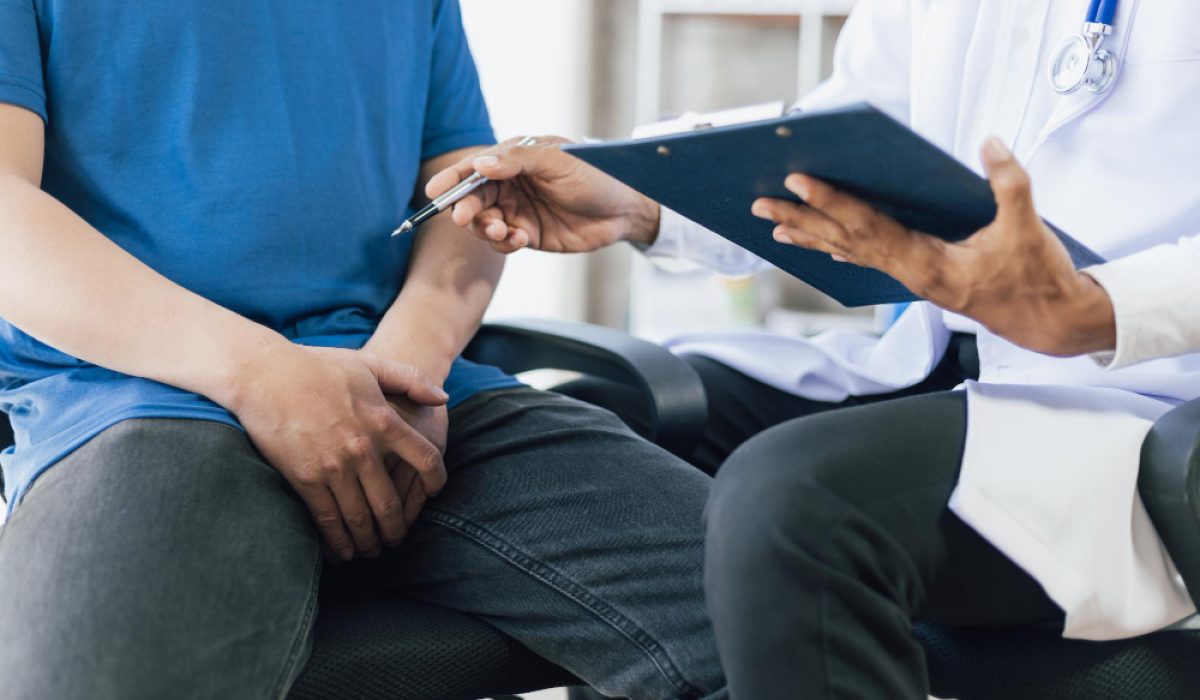
What Are Urology Checkups?
Urology checkups are medical visits that focus on the health of the urinary tract and male reproductive organs. These checkups help find problems early, even before symptoms appear. For men, urology checkups men should not delay can spot issues like prostate problems, kidney stones, or bladder conditions. Early detection often leads to better treatment outcomes. During a checkup, a doctor may ask about your health history, do a physical exam, and order tests if needed. Because many urological issues develop slowly, regular visits are key for staying healthy.
Why Are Urology Checkups Important for Men?
For men, urology checkups are important at every age. As men get older, the risk of certain urological problems rises. For example, prostate cancer is one of the most common cancers in men, according to the CDC. Early screening can help find cancer before it spreads. In addition, regular checkups can detect other issues like urinary tract infections or problems with urination. When caught early, many urological conditions are easier to treat. Therefore, routine checkups support long-term men’s urological health and peace of mind.
Key Urology Checkups Men Should Not Delay
Some urology checkups are especially important for men. While needs may vary by age and risk, the following screenings are often recommended:
For men with a family history of cancer or other risk factors, doctors may suggest more frequent preventive urology screening. Always ask your doctor when should men see a urologist based on your personal health.
Common Symptoms That Require Immediate Attention
Sometimes, symptoms can signal a serious urological problem. If you notice any of the following, seek medical care right away:
Because these signs can point to infections, stones, or even cancer, do not wait to get checked. Early care can prevent complications and improve recovery.
How Urology Checkups Are Performed
During a urology checkup, the doctor will first ask about your symptoms and health history. Next, a physical exam may be done. For example, the doctor may check the abdomen, genitals, and prostate. In many cases, simple urine and blood tests are ordered. Sometimes, imaging tests like ultrasound or a PSA blood test for prostate health are needed. Most checkups are quick and cause little discomfort. Because these exams help find problems early, they are a smart step for men’s urological health.
Preventive Tips for Urological Health
Besides regular checkups, men can take steps at home to protect their urinary and reproductive health. For best results, try these tips:
Because early action matters, follow your doctor’s advice for preventive urology screening. According to the CDC and WHO, healthy habits and timely checkups lower the risk of serious urological diseases.