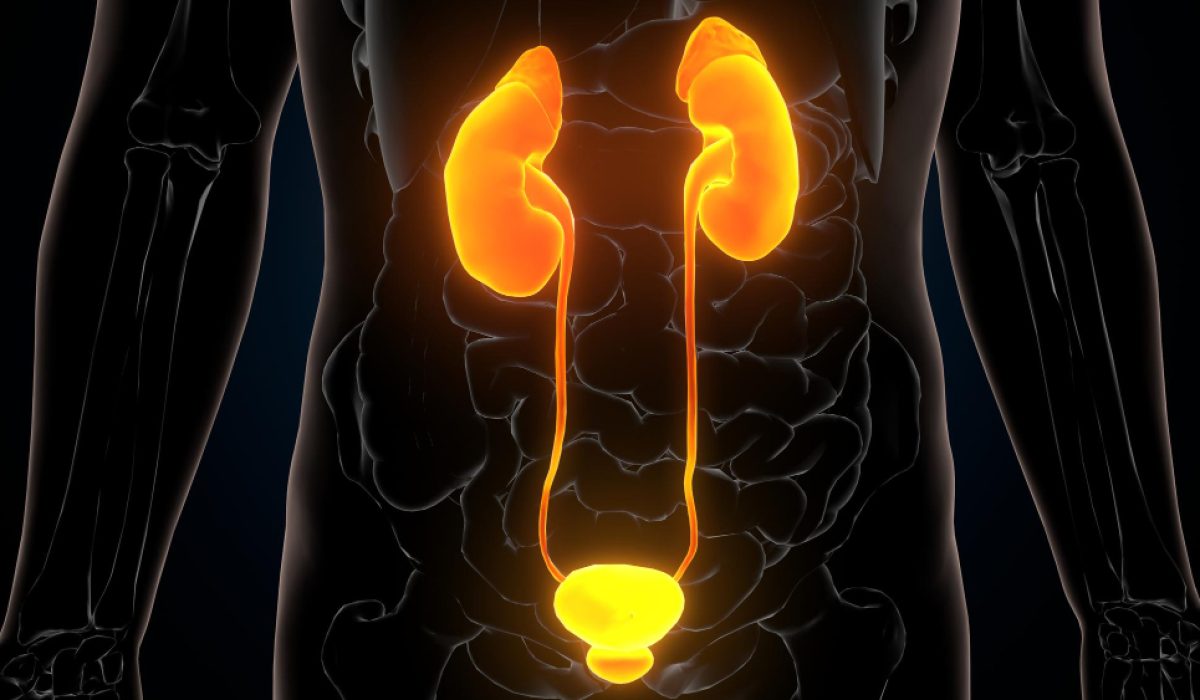
What is Hydronephrosis?
Hydronephrosis is a condition where one or both kidneys swell because urine cannot drain properly. This swelling happens when there is a blockage or problem in the urinary tract. Understanding the causes and consequences of hydronephrosis is important. Early knowledge helps prevent serious kidney damage and other health risks. Hydronephrosis can affect people of any age, including children and adults. Often, it is linked to urinary tract blockage or kidney stones. If left untreated, it may lead to long-term problems.
Causes of Hydronephrosis
There are several reasons why hydronephrosis can develop. Some causes are common, while others are rare. Knowing these causes can help you spot problems early. Below are the main causes:
Sometimes, the cause is not clear at first. However, doctors use tests to find the exact reason. According to the CDC, kidney stones are a leading cause of urinary tract blockage in adults.
Consequences of Hydronephrosis
If hydronephrosis is not treated, it can lead to serious health problems. Early treatment can prevent most of these issues. Here are some possible consequences:
For example, the World Health Organization notes that untreated kidney swelling can increase the risk of chronic kidney disease. Therefore, it is important to act quickly if you notice symptoms.
When to See a Doctor
It is important to know when to seek medical help. Early treatment can prevent most problems. You should see a doctor if you notice:
Sometimes, hydronephrosis does not cause symptoms at first. However, regular check-ups can help find problems early. If you have a history of kidney stones or urinary tract issues, talk to your doctor about your risk.
Prevention and Lifestyle Tips
While not all cases of hydronephrosis can be prevented, some steps can lower your risk. Here are some helpful tips:
In addition, staying active and managing your weight can support overall urology health. If you live in an area with high rates of kidney stones, ask about local hydronephrosis treatment options.
Conclusion
Hydronephrosis is a serious condition, but early action can prevent most problems. If you notice symptoms or have risk factors, consult a urologist or healthcare provider. They can guide you on the best steps for your health. Do not wait if you have pain, fever, or trouble urinating. Your kidneys are important, so take care of them today.