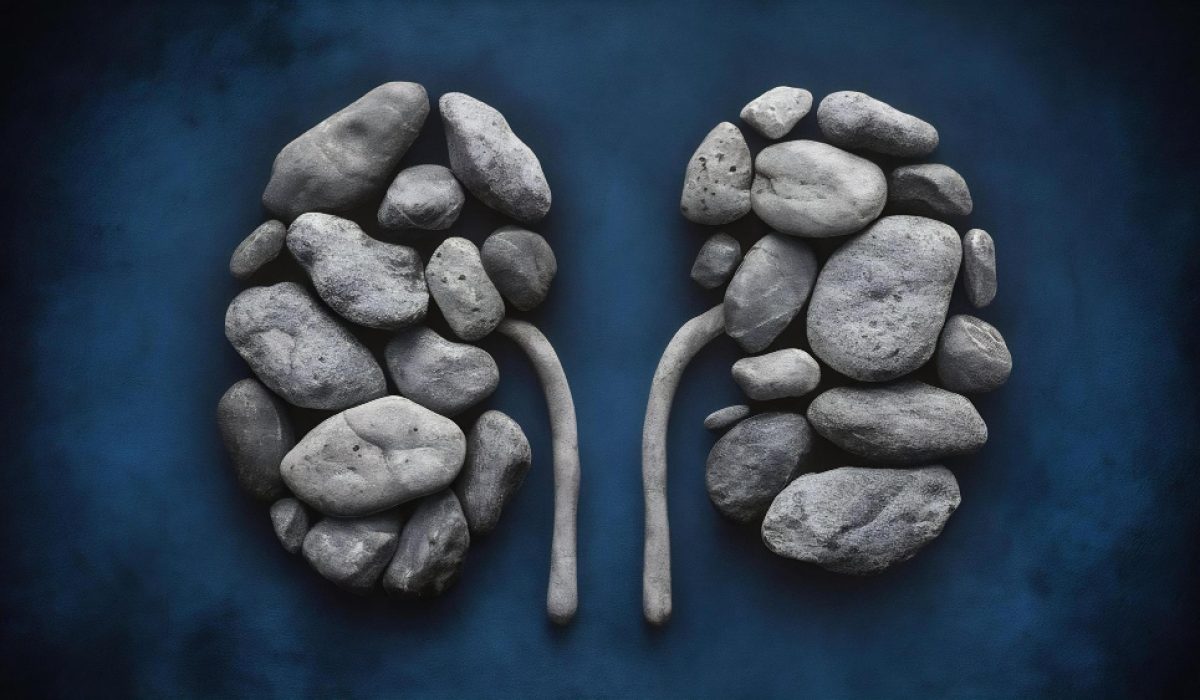
What Are Kidney Stones?
Kidney stones are hard, pebble-like pieces that form in your kidneys. They develop when minerals and salts in your urine stick together. Often, these stones can be as small as a grain of sand. However, some may grow larger and cause pain. Kidney stones are a common problem, and many people experience them at least once in their lives. According to the National Kidney Foundation, about 1 in 10 people will have a kidney stone at some point. Because kidney stones can block urine flow, they may lead to discomfort or infection.
Causes of Kidney Stones
There are several reasons why kidney stones form. Sometimes, your body has too much of certain minerals. Other times, you may not drink enough water. Here are some common causes:
Because these factors can add up, it is important to know your risks. If you have had a kidney stone before, you are more likely to get another one.
Symptoms of Kidney Stones
Kidney stone symptoms can vary. Some people may not feel anything until the stone moves. When this happens, you may notice:
Because these symptoms can also be signs of other problems, it is important to get checked by a doctor.
Diagnosis of Kidney Stones
Doctors use several methods to diagnose kidney stones. First, they will ask about your symptoms and medical history. Then, they may order tests such as:
With these tests, doctors can find the size and location of the stone. This helps them choose the best treatment for you. Early diagnosis can prevent more serious problems.
Treatment Options for Kidney Stones
Treatment for kidney stones depends on the size and type of stone. In many cases, small stones pass on their own. However, some may need medical help. Common treatment options include:
Because each case is different, your doctor will suggest the best option for you. If you need kidney stone treatment in your area, ask your local clinic for help.
Prevention Tips for Kidney Stones
Preventing kidney stones is possible for many people. Here are some tips to lower your risk:
Because prevention is easier than treatment, make these habits part of your daily routine. If you wonder how to prevent kidney stones, these steps can help.
When to See a Doctor
Sometimes, kidney stones can cause serious problems. See a doctor right away if you:
Because quick treatment can prevent complications, do not wait if you have these symptoms.
In summary, kidney stones can be painful, but they are treatable and often preventable. Consult a urologist for personalized advice on kidney stones.